White-tailed Deer in the Mont-Tremblant Region: Observing and Coexisting
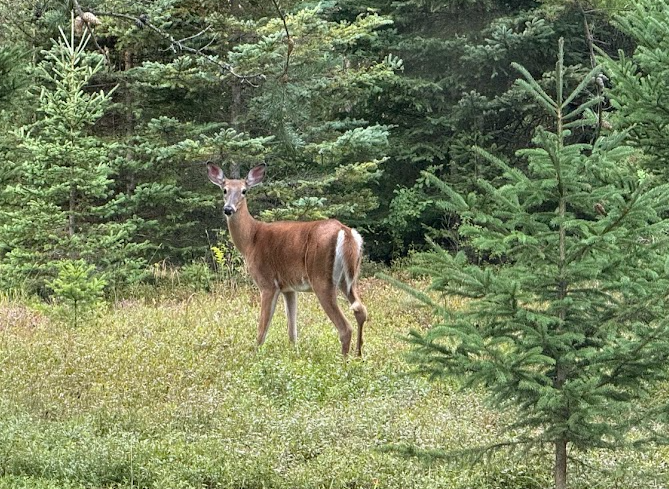
The Mont-Tremblant region is renowned for its rich and diverse wildlife, and among its most iconic residents is the white-tailed deer. At Le Refuge des Eaux Vives, it's not uncommon to spot these graceful mammals peacefully crossing the village or following the river at dawn.
Deer Habits
White-tailed deer are crepuscular animals, meaning they are particularly active early in the morning and late in the day. During these periods, they emerge to feed, primarily on leaves, buds, tender branches, and grasses. In winter, their diet shifts to twigs and bark, as vegetation becomes scarce under the snow.
These animals typically live in small family groups consisting of a female and her fawns. Males, recognizable by their impressive antlers that fall off each winter and regrow in spring, are more solitary except during the fall breeding season.
How to Observe Deer
To maximize your chances of observing deer around the Refuge, plan your outings for early morning or late afternoon. Move slowly and quietly, avoiding sudden movements. Deer have excellent hearing and a highly developed sense of smell, so stay discreet and position yourself downwind if possible.
Forest trails, clearings, and the banks of the Rouge River are prime locations for spotting them. In winter, their tracks in the snow can guide you to their usual pathways. Don't forget your binoculars and camera, but keep your distance: observe them without disturbing or feeding them, as this alters their natural behavior and can make them dependent.
Road Safety Alert!
Coexisting with deer also requires caution while driving. Collisions with deer are frequent in the region, particularly at dawn, dusk, and during the fall breeding season (October-November), when deer are more active and unpredictable.
Be especially vigilant on forest roads and in areas marked with deer crossing signs. Reduce your speed, especially at night, and scan the roadside. If you spot one deer, slow down significantly: where there's one, there are often several, as they typically travel in groups.
If a deer is on the road, don't honk abruptly, as this could startle it and cause it to leap unpredictably. Slow down gradually and give it time to cross. If a collision seems unavoidable, brake firmly while maintaining control of your vehicle, and don't swerve suddenly, as this could cause a more serious accident.
By following these simple guidelines, you can fully enjoy the beauty of local wildlife while ensuring your safety and that of the deer. The nature of the Laurentians is a treasure to preserve, and each encounter with these majestic animals is a privilege to be savored with respect and wonder.